Simple steps factories can take before shifting a CNC machine by truck, so it arrives aligned, clean and ready to run.
CNC machines are heavy, but they are also precise. A bump that would not bother a steel beam can knock a machine out of alignment. Most of the risk can be removed before the truck even arrives. Here is what we ask factories to do.
Talk to the machine maker
Many CNC machines have shipping locks or brackets that hold the moving axes in place. Check the manual or ask the manufacturer’s service team. If the original brackets are missing, they can usually tell you how to lock the axes safely.
Clean and drain
- Drain coolant and lubricant tanks where the manual recommends it.
- Remove chips and swarf from the bed and enclosure.
- Disconnect and label every cable so reconnection is quick.
Fix it to a skid
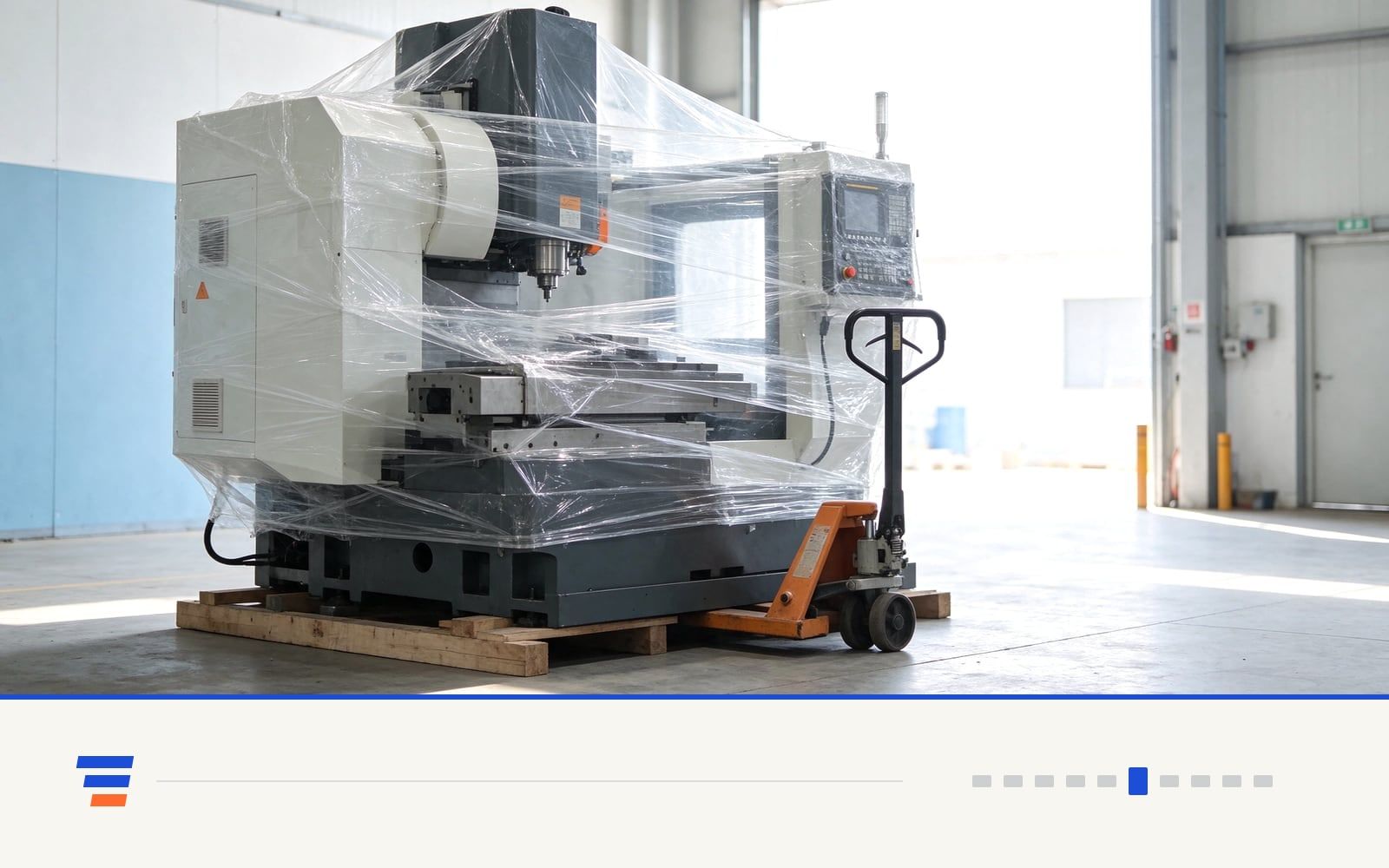
A timber skid under the machine gives the lifting equipment something safe to work with and spreads the load on the truck deck. Bolt the machine to the skid through its mounting points, not through panels.
Wrap and pad
Wrap the machine in stretch film to keep dust and moisture out. Pad corners, glass panels and control screens. Tape doors shut so they cannot swing open.
Choose the right truck
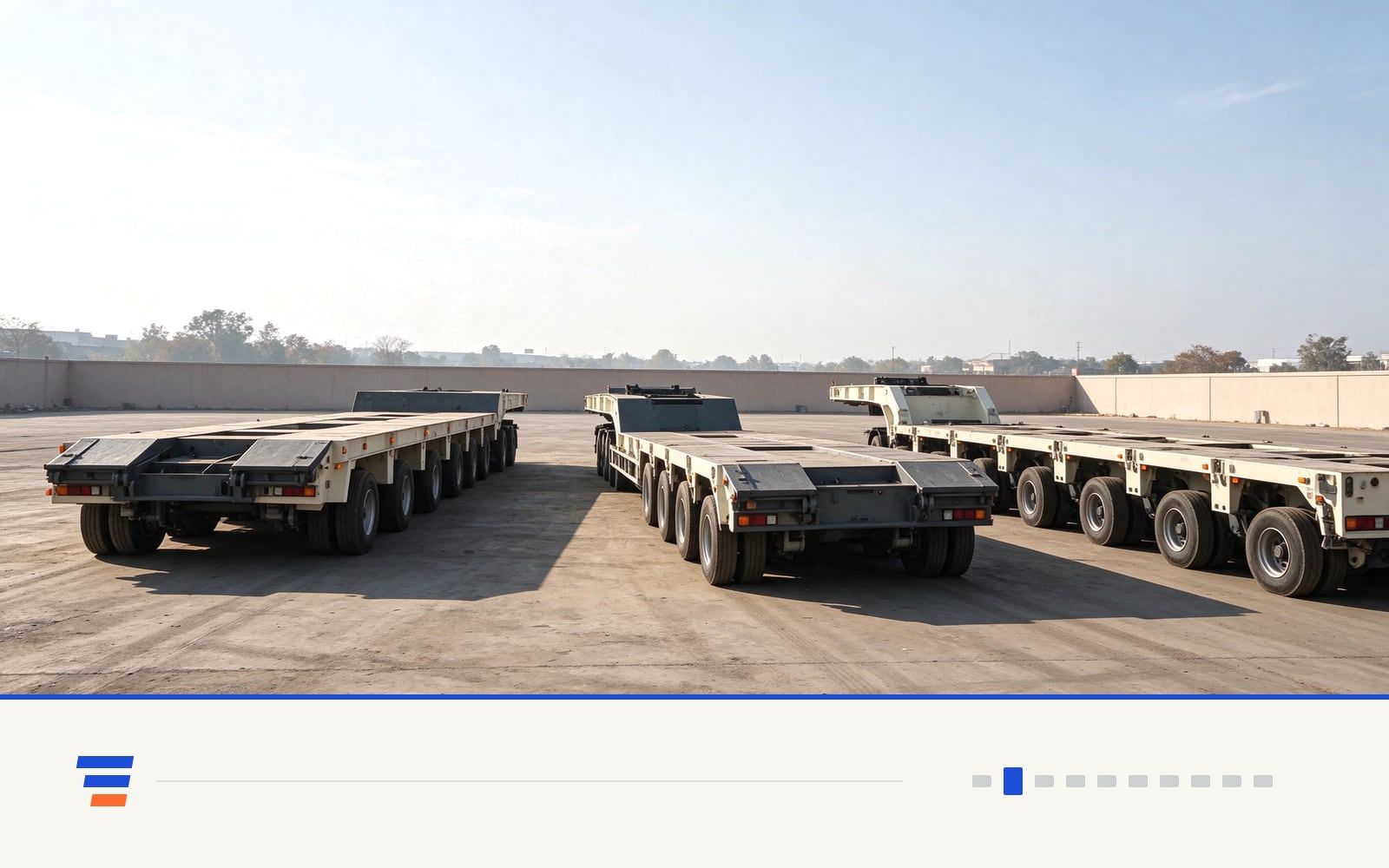
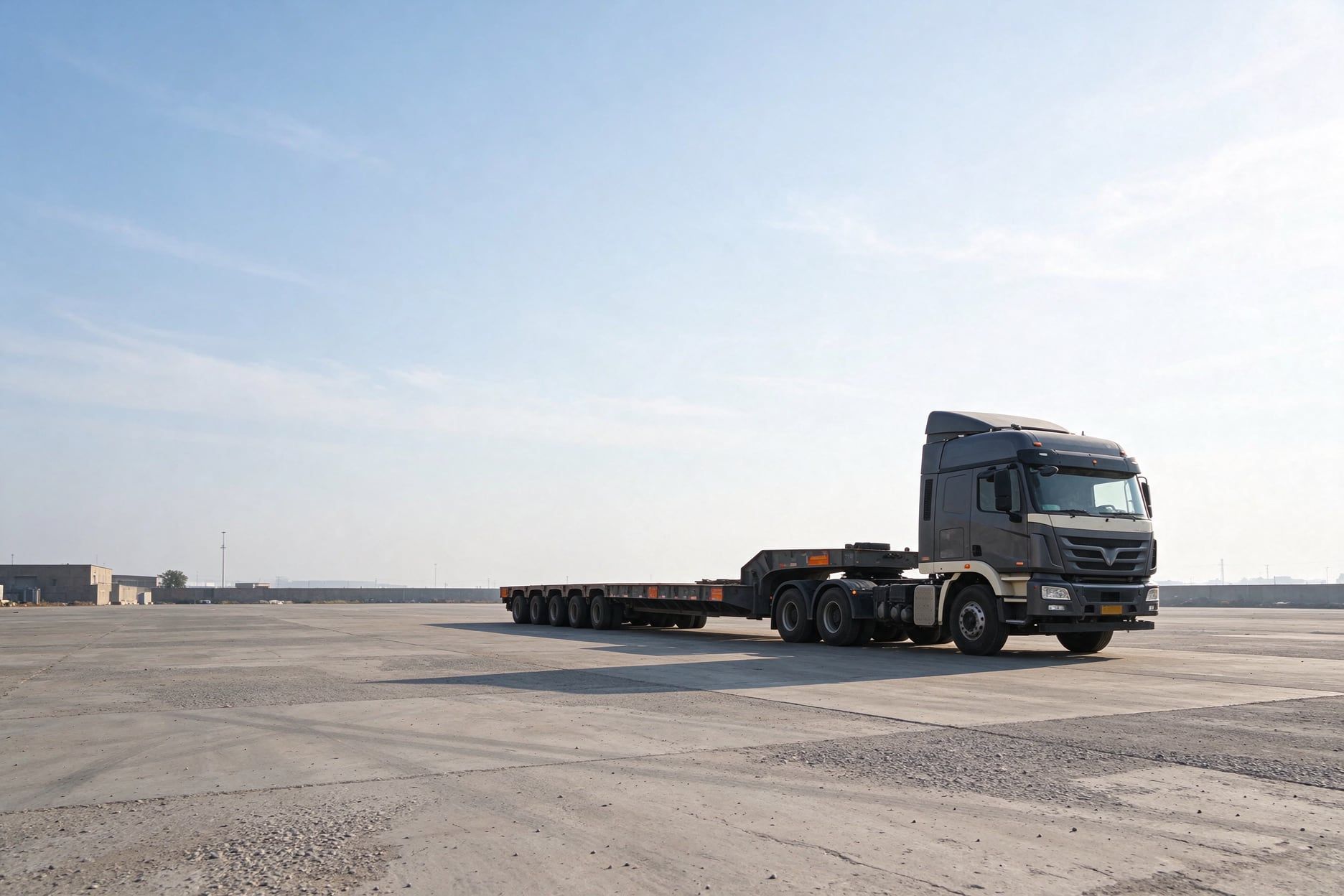
Most CNC machines go on an open body truck or a semi low bed trailer, depending on height. Tall machining centres may need a lower deck. Tell us the weight and height and we will match the trailer.
Loading and lashing
We lash through the skid and the machine’s solid points, never over sensitive parts. Chains or belts are tensioned evenly so the machine cannot shift under braking.
At the destination
Make sure the receiving factory has a forklift or lifting equipment rated for the weight, and a clear path from the gate to the machine’s new spot. Once it is placed, let the service engineer level and align it before running.
Need help planning?
Call us with the machine model, weight, size and both addresses. We will suggest the truck and tell you exactly what we need from your team on the day.